
A Calm Wedding Morning: A Beauty Timeline for Kannur Brides
A calm wedding morning usually begins with a plan that recognises ordinary tasks. Makeup and hair matter, but so do dressing, finding jewellery, greeting relatives and getting to the first photograph
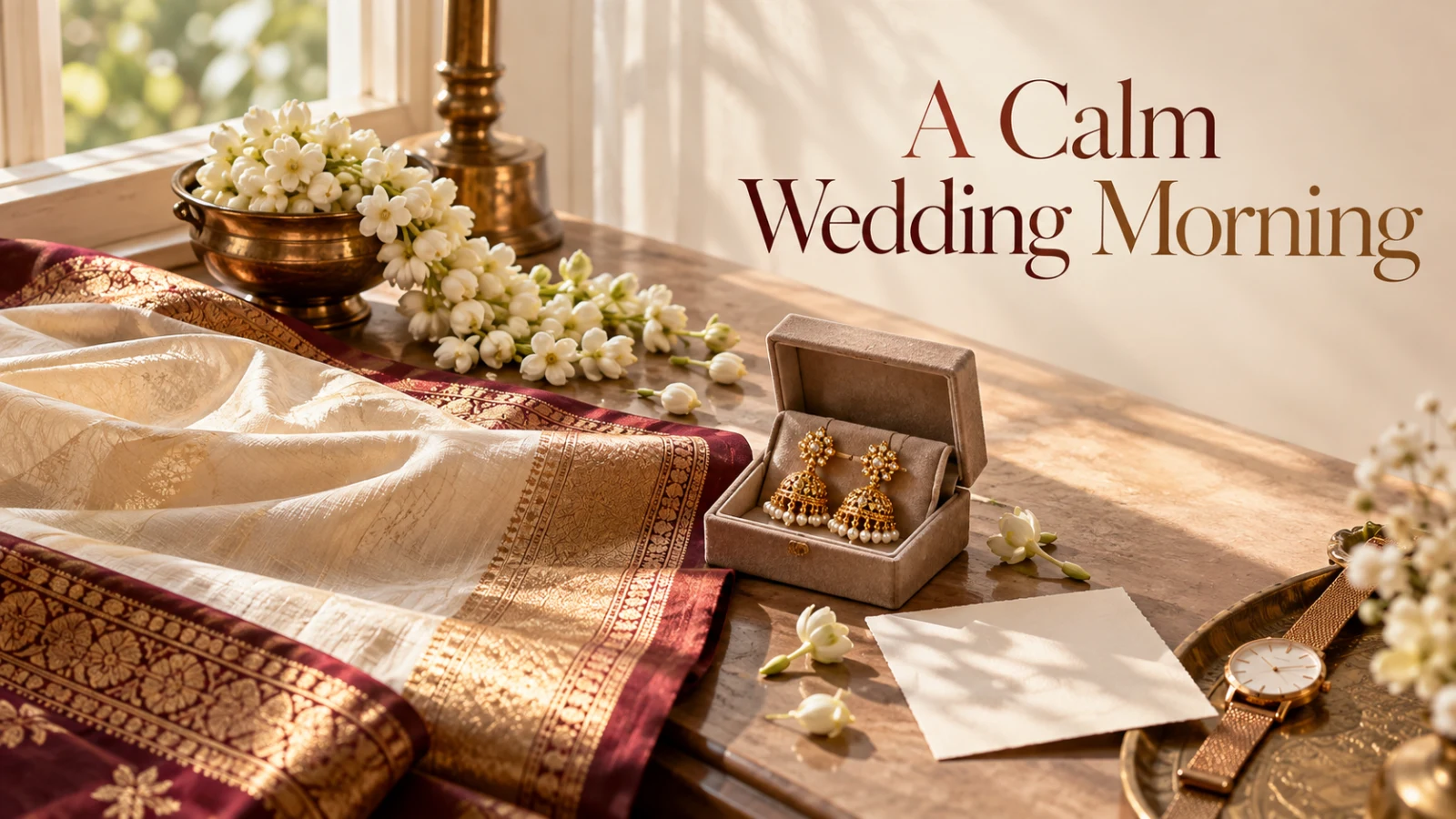
A calm wedding morning usually begins with a plan that recognises ordinary tasks. Makeup and hair matter, but so do dressing, finding jewellery, greeting relatives and getting to the first photograph. For brides in Kannur, a useful timeline connects those details rather than treating each one as a separate event.
Choose the first real deadline
Find the earliest moment when you need to be completely ready, not merely the ceremony time. It might be a family portrait, an arrival photograph or a journey to another location. Write that deadline at the end of your preparation plan and work backwards. Include the outfit and jewellery stages after the main beauty work. A timeline becomes more realistic when every task has a place, even if the task feels too familiar to mention. Otherwise, several small jobs end up competing for the same final minutes.
Give family services their own slots
If relatives are also getting ready, list names and the services each person needs. Ask them to keep clothing and accessories prepared before their turn. Avoid treating their appointments as something that can happen whenever the bride has a spare moment. That can interrupt a sequence of work and create confusion about who should be in the chair next. A simple written order helps family members understand when they are needed while giving everyone a more predictable preparation experience.
Protect a small buffer rather than filling it
Once a little spare time appears in the plan, resist the temptation to assign another task to it immediately. A buffer is useful because an event morning contains small surprises: a misplaced clasp, a delayed photograph or a question that needs your attention. Decide who can handle practical interruptions and which decisions genuinely require you. The aim is not to control every minute. It is to keep the preparation steady enough that an ordinary delay does not turn the rest of the morning into a rush.
Create a preparation space that supports the service
The place where you get ready should make it easy to see, sit and reach the items needed for your look. Share useful information about available light, a mirror, seating and a nearby surface before the day. Keep clothing and accessories arranged so they are not repeatedly moved through the working area. If other people will use the same room, agree on a practical order and leave enough clear space for everyone to move. The aim is a comfortable preparation setting rather than a perfect photograph of the room. A few simple arrangements can reduce interruptions and help the beauty work progress at a steadier pace.
Use references as a conversation
Choose a small number of photographs and explain what you like about each. One image might show the softness of an eye look, another the placement of flowers, and a third the overall balance with jewellery. Try not to ask one photograph to communicate every preference. A reference also contains another person's features, lighting, camera settings and editing, so the useful discussion is about direction rather than exact duplication. Include a photograph of yourself in a look you already enjoy wearing. Knowing what feels familiar can be as helpful as seeing an aspirational image, especially when deciding how much change will feel comfortable during a long celebration.
Pack by the order you will need things
Place clothing, jewellery, hair accessories and finishing items in separate labelled groups. Arrange them in the order they will be used rather than putting every small object into one large bag. Keep a photograph of the complete outfit if several pieces are being carried by different people. Check fastenings and pairs of earrings before the day, when there is still time to locate a missing component. A clear packing system prevents a planned beauty sequence from stopping repeatedly while someone searches for an item. It also makes repacking easier later, when everyone is tired and borrowed accessories need to return to the right person.
Choose an intentional place for the strongest detail
Step back and identify the detail you would like someone to notice first. It might be the face, a jewellery piece, a flower arrangement or the clean outline of the outfit. Once that priority is clear, look at the remaining elements and decide whether they support or distract from it. A detail does not have to be large to be memorable. Sometimes reducing one competing accent gives the whole look more clarity. This is a personal visual decision rather than a fixed rule about what a bride or guest should wear. Use the complete mirror view to guide it, especially when individual items have been selected at different times.
Think about the whole outfit
Keep a clear photograph of the outfit, its neckline and its main decorative details available during planning. A close-up of fabric is useful for colour, but a full view explains proportions. Heavy embroidery near the face, a high neckline or several jewellery layers can change how much visual detail you want elsewhere. Equally, a simple outfit may leave room for a more noticeable beauty feature. This is a balancing exercise rather than a rule that everything must match. Decide which element deserves attention first, then let the remaining choices support it. Review the combination together before making small decisions separately and discovering that each is competing for attention.
Choose comfort for the hours after the photographs
The first photograph captures a moment; you will continue wearing the look afterwards. Think about greeting guests, sitting for a meal, moving between rooms and sharing time with family. A detail that looks striking in a reference may feel different when you wear it for several hours. Discuss weight, movement and how much maintenance you are comfortable doing. Let your artist know if you prefer to avoid a particular sensation or regularly find an accessory awkward. These details are part of the design brief. A well-considered look should support the celebration rather than require you to monitor it constantly from the sidelines.
Build the plan around the person wearing it
References and checklists should make decisions easier, not create a standard you feel obliged to meet. Consider your normal preferences, how much time you want to spend getting ready and which parts of the celebration you most want to enjoy. If a fashionable detail feels unlike you, discuss a quieter interpretation or leave it out. If you love a bold feature, there is no need to dilute it solely because another person prefers something softer. A useful beauty plan leaves room for personality while making the practical details clear. The finished result should feel like a deliberate choice you made for your own occasion.
Make space for an unhurried final check
Reserve a short finishing window after the main service is complete. Stand up, look straight ahead and check the result from the distance at which people will actually see you. Sit down again and turn your head slowly to see whether anything catches, slips or feels awkward. A small mirror is useful for detail, while a larger mirror shows the complete silhouette. This is the moment to mention a pin that presses, a shade that feels unfamiliar or an accessory that is moving. Adjustments are easier before the first photograph or arrival. A final check should be a comfortable conversation, not something you rush through because everyone else is waiting.
Plan your look with Eloria
Eloria focuses on bridal makeup, hairstyling and occasion beauty in North Kerala, especially Kannur. Share your celebration date, exact location, ready time, outfit details and the services you are considering. These details help the team discuss a suitable look and a realistic preparation schedule. Availability and the final scope should be confirmed directly before treating your date as booked.
Frequently asked questions
Should I plan from the ceremony time or photograph time?
Use the earliest point at which you must be fully ready, including any portraits or travel before the ceremony.
Can family members share my preparation window?
They can be included, but their services and order should be agreed separately rather than assumed to fit into spare time.
Who should keep the wedding-morning checklist?
A reliable helper can hold the checklist and practical contact details while leaving personal beauty decisions with you.
What usually gets forgotten in a beauty timeline?
Dressing, jewellery, final checks, packing belongings and movement between locations are easy to underestimate.
How do I handle a last-minute timing change?
Tell the relevant professionals promptly and review the whole sequence instead of moving one task without considering the others.