
Mother-of-the-Bride Beauty: A Personal Makeup and Hair Plan
The mother of the bride deserves a beauty plan based on her own preferences, not a preset idea of how someone in that role should look. A thoughtful conversation can identify the colours, coverage and hairstyle that feel comfortable
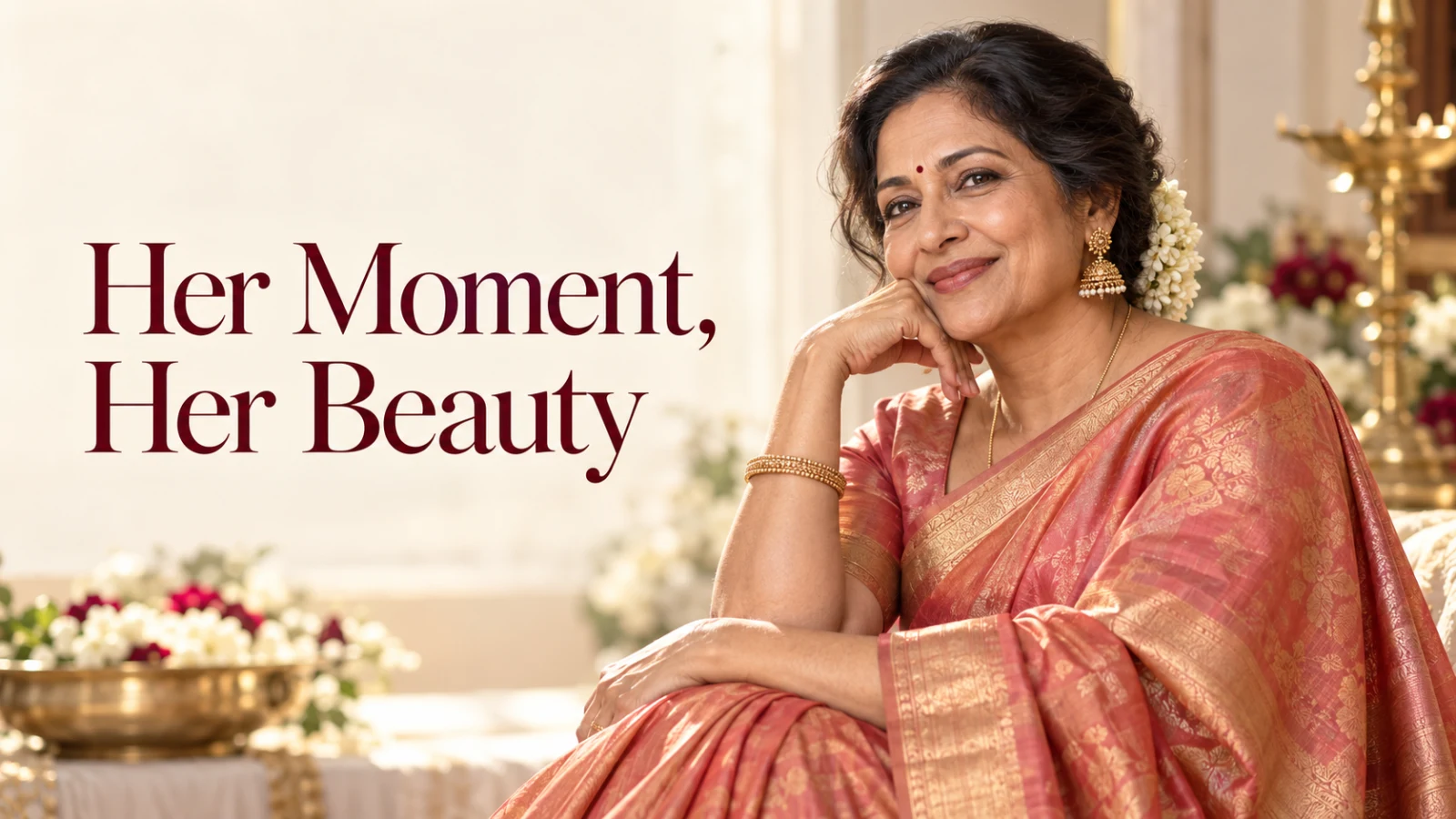
The mother of the bride deserves a beauty plan based on her own preferences, not a preset idea of how someone in that role should look. A thoughtful conversation can identify the colours, coverage and hairstyle that feel comfortable. The result should support her day with family and guests while fitting the wider wedding schedule.
Ask her what feels familiar
Begin with the person wearing the makeup. She may enjoy a defined lip, prefer little eye detail or have a hairstyle she feels confident in. Avoid making decisions entirely through someone else’s reference collection. Ask which parts of previous occasion looks she liked and what she would change. If a particular product texture or accessory has felt uncomfortable, include that in the brief. A personal discussion respects her experience and provides more useful information than assuming she wants a younger-looking version of another person’s makeup.
Review makeup with the actual accessories
Glasses, earrings, a necklace and the outfit neckline all contribute to the finished impression. Put them into the planning conversation early. A lip shade can look different beside a strongly coloured saree, and a hairstyle may need adjustment to reveal earrings comfortably. Let her assess the complete result in a normal mirror view rather than only through a close photograph. The aim is not to erase ordinary texture or expression. It is to create a finish she enjoys seeing and feels at ease wearing through the occasion.
Give her a protected preparation window
Mothers often have practical responsibilities on the wedding day, so their own service can be interrupted repeatedly unless the time is clearly agreed. Choose a realistic slot and ask another family member to handle urgent questions during it. Keep the outfit and accessories ready beforehand. A protected window allows the service to be completed without constant stops and gives her time to dress calmly afterwards. It also makes it less likely that her preparation becomes whatever can be squeezed into the bride’s remaining minutes.
Share your actual hair length and texture
Photographs of your own hair are an important part of hairstyle planning. Show the length, natural texture and any layers that could affect the finished shape. Mention extensions or accessories you already own instead of assuming they will be needed. A reference may depend on a different amount of hair, a different cut or temporary additions. Discussing those differences early gives you time to consider a suitable adaptation. It also helps separate the mood you like from the construction needed to achieve it. Your artist can then talk about realistic options without promising an identical result from very different starting points or discovering an important detail during the final hour.
Decide how much movement you want
Some people enjoy hair that moves naturally around their shoulders; others prefer a more contained shape they can largely forget about. Describe where you sit on that spectrum. Soft strands around the face may look appealing in a photograph but feel distracting if you usually keep your hair away from your eyes. A highly structured shape can feel reassuring to one person and unfamiliar to another. Consider how you normally wear your hair at a long function and which details you tend to adjust repeatedly. These habits can guide a style that still feels special while respecting the way you prefer to sit, talk and move through a gathering.
Choose a practical plan for changing hairstyles
If you want different hair for two events, share both looks together during planning. Explain the time between them, whether the outfit changes and who will be available to help. A second style is not always a matter of removing one accessory; pins, texture and the underlying construction can affect the next step. Ask which elements can stay and which need a separate preparation window. Keep the accessories for each look clearly separated. A realistic transition may involve a small change in parting, shape or placement rather than rebuilding everything. Knowing the actual sequence helps you choose a change that feels worthwhile without making the whole day depend on an optimistic estimate.
Be selective with finishing products
More visible shine or stronger hold is not automatically the right answer for every hairstyle. Explain how you like your hair to look and feel, including whether you prefer a softer or more defined finish. The artist can discuss what suits the intended shape and your starting texture. Avoid adding your own product over the completed style without checking first, since different formulas may behave differently together. If you notice a small area that concerns you, point to it specifically rather than asking for more product across the entire head. A targeted adjustment often communicates the issue better and preserves the overall direction you agreed on during the consultation.
Say when a hairstyle feels too tight
Speak up if a pin presses, an accessory pulls or a finished section feels uncomfortable. Waiting until you leave the preparation space can make a small adjustment much harder to arrange. Comfort is useful feedback, not an interruption. Move your head gently and consider the activities ahead rather than assessing the style only while sitting still. A secure arrangement should not rely on ignoring discomfort. Tell your artist about areas you usually find sensitive and any previous experience that you want to avoid repeating. The final check can then include both the appearance and the way the hairstyle feels, with time to change a specific point before the event begins.
Confirm the preparation instructions for your hair
Ask your artist how they would like you to prepare your hair for the chosen service. The answer can depend on your texture, the products you normally use and the style being planned, so a universal rule copied from a social post may not be useful. Mention any recent colour, treatment or change in length. If you plan to wash your hair before the event, agree on the timing and the condition it should be in when styling begins. Clear instructions help prevent a mismatch between expectation and reality. They also give you an opportunity to explain anything about your routine that might affect the preparation plan or the finished shape.
Think about the neckline and the back of the outfit
The back of an outfit is easy to forget while collecting beauty references, yet it can be an important part of the finished image. An open back, decorative fastening or carefully worked blouse may deserve to remain visible. Hair worn down creates a different frame from hair lifted away from the fabric. Neither choice is automatically better; the decision depends on what you want people to notice. Share a full front and back view of the outfit, then discuss how the hairstyle could support those details. The same approach helps with high collars and scarves, where the amount of hair around the neck affects the overall proportions and comfort.
Start with your real ready time
A ceremony start time and a beauty ready time are different things. If photographs begin before the event, the finished look needs to be ready for those photographs. Work backwards through dressing, jewellery, final checks and the journey between locations. Share the earliest point at which you need to be fully dressed rather than only the time printed on an invitation. Include anyone else receiving a service in the same schedule. A clear sequence gives every person their own preparation window and helps avoid several people needing the same pair of hands at once. Build in breathing room for an unexpected phone call, a delayed accessory or a family photograph.
Plan your look with Eloria
Eloria focuses on bridal makeup, hairstyling and occasion beauty in North Kerala, especially Kannur. Share your celebration date, exact location, ready time, outfit details and the services you are considering. These details help the team discuss a suitable look and a realistic preparation schedule. Availability and the final scope should be confirmed directly before treating your date as booked.
Frequently asked questions
Should the mother of the bride use a very light makeup style?
Only if that is her preference. Discuss the desired coverage and colour rather than assigning a style based on her role.
Can she keep her usual hairstyle?
Yes. A familiar shape can be refined for the occasion without needing a completely different hairstyle.
Should she bring her glasses?
Yes, if she expects to wear them, so the full look can be checked with them in place.
How can the family help her get ready calmly?
Protect her appointment window, organise accessories beforehand and give practical interruptions to another reliable person.
Can her service be included in the bridal enquiry?
Include her required services and ready time in the enquiry so the team can discuss the complete schedule.