
Natural-Looking Bridal Makeup: What to Ask Your Artist
Natural-looking bridal makeup is a description of the result, not a guarantee that very few products will be used. The phrase becomes more helpful when you explain which parts of your own appearance you want to preserve
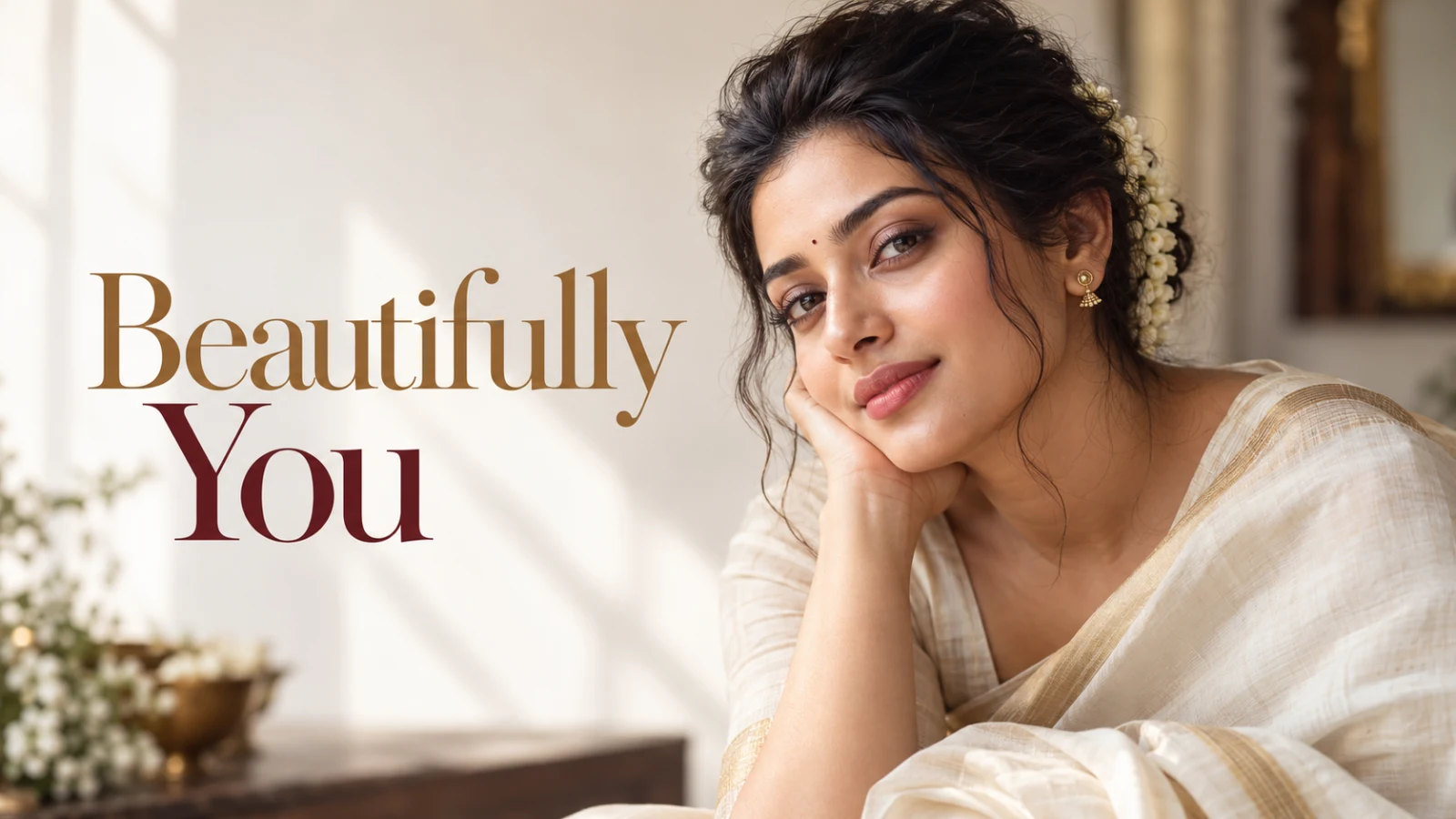
Natural-looking bridal makeup is a description of the result, not a guarantee that very few products will be used. The phrase becomes more helpful when you explain which parts of your own appearance you want to preserve. A clear conversation can turn an uncertain request into a thoughtful, personal look.
Describe what you want to recognise
Think about the features that make your everyday face feel familiar. You may want freckles to remain visible, prefer the natural outline of your brows or enjoy a lip colour close to your own. Tell your artist which details matter most. Saying that you do not want to look different can otherwise leave too much open to interpretation. A useful brief identifies what should remain and where you would appreciate extra definition, allowing the look to feel polished without making familiarity an accidental outcome.
Separate light coverage from a soft colour palette
A soft palette and light coverage are different decisions. Someone may prefer fuller correction with restrained colour, while another enjoys a more visible eye accent with a lighter base. Explain those choices separately so a broad natural label does not hide a disagreement about the finish. Review the base before evaluating every other detail. Natural skin has texture, and a realistic goal is a finish you enjoy rather than a promise that the face will resemble a filtered image from every distance.
Make your feedback concrete
If the result feels stronger than expected, identify what creates that feeling. It could be the darkness of a brow, the edge of a liner or the amount of contrast at the lips. Pointing to one feature is more useful than rejecting the entire look as unnatural. Your artist can then discuss a targeted change while keeping the other decisions intact. Allow a little time to see the makeup with the outfit and hairstyle in place, because a complete bridal frame can change how the same feature appears.
Keep the makeup chair conversation specific
Words such as natural, glamorous and simple mean different things to different people. Translate them into visible choices. Do you mean lighter coverage, less shimmer, a softer liner, a lip closer to your own colour or more visible skin texture? Describing two or three concrete details makes a broad preference easier to understand. Mention something you do not enjoy as well, such as a sharply outlined brow or a very dark lower lash line. Clear feedback is most helpful while there is still time to adjust. You can be kind and precise at the same time; your artist needs useful information more than a reluctant agreement that everything is fine.
Match maintenance to the way you celebrate
Think about what you will be doing while wearing your makeup. A short portrait session, an afternoon family function and a long reception each involve different patterns of eating, movement and interaction. Tell your artist which moments are likely to need a quick check. Avoid assuming that a product label removes every need for maintenance or that a fresh layer always improves an existing finish. Ask for a simple plan you can follow with a small number of products. Knowing how to blot gently, refresh the agreed lip colour and recognise when to leave the base alone is often more practical than carrying several unfamiliar formulas in case something changes.
Let the accessories guide colour relationships
Consider whether your jewellery appears warm, cool, colourful or largely neutral beside the outfit. This can offer a starting point for a makeup palette without dictating an exact colour match. A warm metallic detail may connect with a subtle eye accent, while a strongly coloured accessory may work best when the rest of the face stays more restrained. Compare the pieces together instead of making decisions from separate screenshots. You do not need to repeat the same colour on the eyes, lips, nails and fabric. A small connection between two elements can be enough to make the overall look feel intentional while allowing different textures and details to remain visible.
Coordinate hair and makeup as one look
Decide how the hairstyle and makeup will share attention. Hair lifted away from the face may make an eye look or earring shape more visible, while loose texture can soften the outline around the cheeks. A detailed hair accessory can change how much sparkle you want near the eyes. Review the two parts together instead of finalising them through separate reference collections that never meet. This does not mean both need the same degree of detail. One can be more restrained while the other provides the main visual interest. The useful measure is how the finished combination supports your features, outfit and preferred level of expression.
Make a plan that works across several events
List each event, its outfit and its ready time before deciding how much the beauty direction should change. A family function, the main ceremony and a reception can feel distinct through small changes in colour, texture or accessories. You may not need a completely unrelated design for every occasion. Identify the element you want to repeat, then choose the changes that will be most noticeable and worthwhile. Include the available transition time when discussing those ideas. Planning the sequence together avoids choosing several attractive references that require incompatible starting points or more preparation time than the event schedule can actually provide.
Start with your real ready time
A ceremony start time and a beauty ready time are different things. If photographs begin before the event, the finished look needs to be ready for those photographs. Work backwards through dressing, jewellery, final checks and the journey between locations. Share the earliest point at which you need to be fully dressed rather than only the time printed on an invitation. Include anyone else receiving a service in the same schedule. A clear sequence gives every person their own preparation window and helps avoid several people needing the same pair of hands at once. Build in breathing room for an unexpected phone call, a delayed accessory or a family photograph.
Take useful photographs without chasing filters
If you use a phone photograph to assess your makeup, switch off beauty filters where possible and keep the camera at a sensible distance. Very close images can exaggerate a feature that looks balanced in person, while automatic smoothing may hide details you actually need to review. A front view and a slight side angle can help you discuss shape and colour more clearly than a single dramatic pose. Check that the lighting is reasonably even. Photographs are one part of the review, not a final verdict delivered by a device. Compare them with your own experience in the mirror and with how the finished look feels when you speak and smile.
Confirm the scope without relying on assumptions
Discuss the services, people and timings included in your enquiry before considering the plan complete. If you mention a reference with extra accessories, an outfit change or a second hairstyle, ask whether those details alter the agreed scope. Share any travel between locations and the expected number of people requiring preparation. A clear conversation makes it easier to compare the plan with what you need. It also prevents a small phrase such as finishing touches from carrying several different expectations. Keep the agreed details available to refer to if something changes. A useful booking discussion is specific enough that everyone understands the same preparation sequence.
Plan your look with Eloria
Eloria focuses on bridal makeup, hairstyling and occasion beauty in North Kerala, especially Kannur. Share your celebration date, exact location, ready time, outfit details and the services you are considering. These details help the team discuss a suitable look and a realistic preparation schedule. Availability and the final scope should be confirmed directly before treating your date as booked.
Frequently asked questions
Does natural makeup mean no foundation?
No. It describes a visual preference. Coverage can be adapted by area according to the result you want.
Can natural-looking makeup photograph well?
Discuss the lighting and photography schedule with your artist, then review the face both in the mirror and in a simple image.
How do I describe a natural brow?
Explain your preferences about darkness, shape and softness, ideally with an example of your own brows that you enjoy.
Can I still wear lashes?
Yes, if you want them. Discuss density, shape and comfort rather than assuming every lash style creates the same effect.
What is the most useful reference for a natural look?
A clear image with notes about coverage, colour and definition is useful, alongside a photograph of yourself in a familiar look.