
Planning Your Bridal Makeup in Kannur: Where to Begin
Bridal makeup planning becomes easier when you begin with your own preferences rather than an endless collection of photographs. For a wedding in Kannur, the most useful starting point is the combination of your outfit, ceremony plans, personal style and ready time
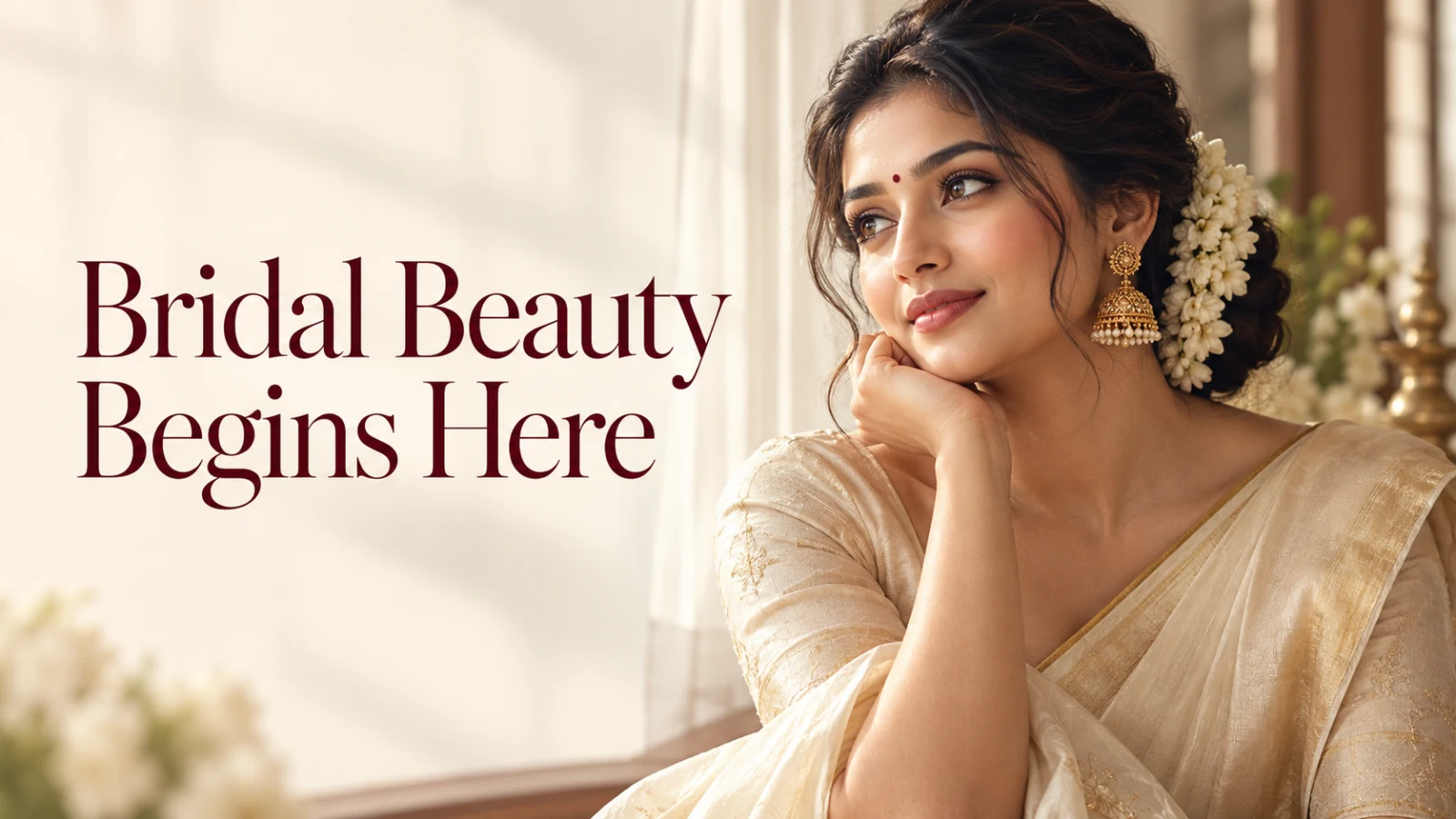
Bridal makeup planning becomes easier when you begin with your own preferences rather than an endless collection of photographs. For a wedding in Kannur, the most useful starting point is the combination of your outfit, ceremony plans, personal style and ready time. A clear brief makes those details work together.
Write a short beauty brief
Describe the impression you want before listing individual products. You might prefer softly defined eyes, a comfortable lip colour and a base that leaves some natural texture visible. Another bride may enjoy stronger contrast and a more structured overall finish. Neither brief is more bridal than the other. Write three priorities and one thing you would rather avoid. This small exercise turns a broad request into a conversation your artist can actually use. It also gives you a steady point of reference when new inspiration appears later.
Plan the ceremony and the reception together
If your wedding includes more than one event, collect the timings and outfit details before choosing separate looks. A traditional ceremony and an evening reception may call for a different balance of hair, jewellery and makeup, but the changes should be realistic within the available time. Identify whether the preparation location changes and whether family members also need services. Choosing the sequence first helps you decide which beauty changes are worthwhile. It prevents an attractive collection of references from becoming an impractical timetable on the day.
Know which decisions can wait
You do not need to settle every shade before beginning an enquiry. A confirmed date, location and ready time are more useful than a final lipstick choice. Share what is known, explain what remains undecided and arrange the discussion around those facts. Keep the important decisions together rather than starting a new reference collection every week. As the outfit and accessories become final, update the same plan. This approach leaves room for the look to develop without making the whole booking depend on a detail that is still being chosen.
Start with your real ready time
A ceremony start time and a beauty ready time are different things. If photographs begin before the event, the finished look needs to be ready for those photographs. Work backwards through dressing, jewellery, final checks and the journey between locations. Share the earliest point at which you need to be fully dressed rather than only the time printed on an invitation. Include anyone else receiving a service in the same schedule. A clear sequence gives every person their own preparation window and helps avoid several people needing the same pair of hands at once. Build in breathing room for an unexpected phone call, a delayed accessory or a family photograph.
Use references as a conversation
Choose a small number of photographs and explain what you like about each. One image might show the softness of an eye look, another the placement of flowers, and a third the overall balance with jewellery. Try not to ask one photograph to communicate every preference. A reference also contains another person's features, lighting, camera settings and editing, so the useful discussion is about direction rather than exact duplication. Include a photograph of yourself in a look you already enjoy wearing. Knowing what feels familiar can be as helpful as seeing an aspirational image, especially when deciding how much change will feel comfortable during a long celebration.
Think about the whole outfit
Keep a clear photograph of the outfit, its neckline and its main decorative details available during planning. A close-up of fabric is useful for colour, but a full view explains proportions. Heavy embroidery near the face, a high neckline or several jewellery layers can change how much visual detail you want elsewhere. Equally, a simple outfit may leave room for a more noticeable beauty feature. This is a balancing exercise rather than a rule that everything must match. Decide which element deserves attention first, then let the remaining choices support it. Review the combination together before making small decisions separately and discovering that each is competing for attention.
Make space for an unhurried final check
Reserve a short finishing window after the main service is complete. Stand up, look straight ahead and check the result from the distance at which people will actually see you. Sit down again and turn your head slowly to see whether anything catches, slips or feels awkward. A small mirror is useful for detail, while a larger mirror shows the complete silhouette. This is the moment to mention a pin that presses, a shade that feels unfamiliar or an accessory that is moving. Adjustments are easier before the first photograph or arrival. A final check should be a comfortable conversation, not something you rush through because everyone else is waiting.
Give one person the practical details
Choose a reliable friend or family member to keep the preparation plan, important contact numbers and small accessories together. Their job is to help with practical questions while you are being styled, rather than to make beauty decisions on your behalf. They can check whether the photographer has arrived, find a missing jewellery box or remind someone of their preparation slot. Agree in advance about which decisions still need your approval. This arrangement is especially useful when several relatives are getting ready together. It reduces repeated interruptions and makes the morning easier to follow without turning a personal celebration into a rigid production schedule.
Keep a small, relevant touch-up kit
A useful touch-up kit contains items you understand and are likely to use. Tissues, a small mirror, the agreed lip colour and a few appropriate hair accessories may be more helpful than carrying an entire makeup bag. Ask which products suit your finished look before adding them to the kit. More products do not automatically mean better maintenance, and layering an unfamiliar formula over existing work can change its appearance. Put the kit with someone who will stay nearby throughout the event. If your outfit has no practical pocket or bag, decide who will carry it before photographs begin so it does not disappear into another vehicle.
Plan for more than one kind of light
A look may be seen beside a window, under indoor lights and later in photographs. Tell your artist which of these situations matters most for your event. If possible, assess the finished result in a balanced light rather than making every decision under one strongly coloured bulb. A quick photograph can help you discuss the overall impression, but a phone camera may brighten, smooth or change colour automatically. Compare what you see in the mirror with the photograph instead of trusting either view alone. The aim is a look that feels convincing across the day's real settings, with sensible adjustments for the atmosphere you are planning.
Include travel and changing locations
Share the exact preparation and event locations rather than only a town name. A wedding day can involve several stops, and the order of those stops affects when beauty services need to finish. Mention any stairs, restricted vehicle access or separate rooms that could slow movement. Keep outfit changes and the time needed to gather belongings in the same plan as the journey itself. For celebrations around Kannur and other parts of North Kerala, discuss the route and timing directly instead of assuming that nearby names always mean a quick transfer. Practical location information is more useful than an ambitious schedule built around ideal conditions.
Plan your look with Eloria
Eloria focuses on bridal makeup, hairstyling and occasion beauty in North Kerala, especially Kannur. Share your celebration date, exact location, ready time, outfit details and the services you are considering. These details help the team discuss a suitable look and a realistic preparation schedule. Availability and the final scope should be confirmed directly before treating your date as booked.
Frequently asked questions
When should I start planning bridal makeup?
Begin once your date, location and approximate ready time are known. Availability and the final preparation plan should be discussed directly with the team.
Do I need to know the exact look before enquiring?
No. Share your outfit and a few preferences. The consultation can help turn a general direction into specific decisions.
Can my ceremony and reception looks be different?
Yes, discuss both together so the planned change fits the outfits, preparation locations and time between events.
What information should I send Eloria?
Include the date, exact North Kerala location, event type, ready time, services and number of people needing preparation.
Can a bridal look still feel natural?
Yes. Explain what natural means to you, such as lighter coverage, softer eye definition or a familiar lip colour.