
Reception Makeup: Moving from Ceremony to Evening Celebration
A reception offers room for a different mood from the ceremony, but the change should suit the actual time and preparation available. For celebrations in Kannur and North Kerala, think about the outfit, lighting and sequence of the day together
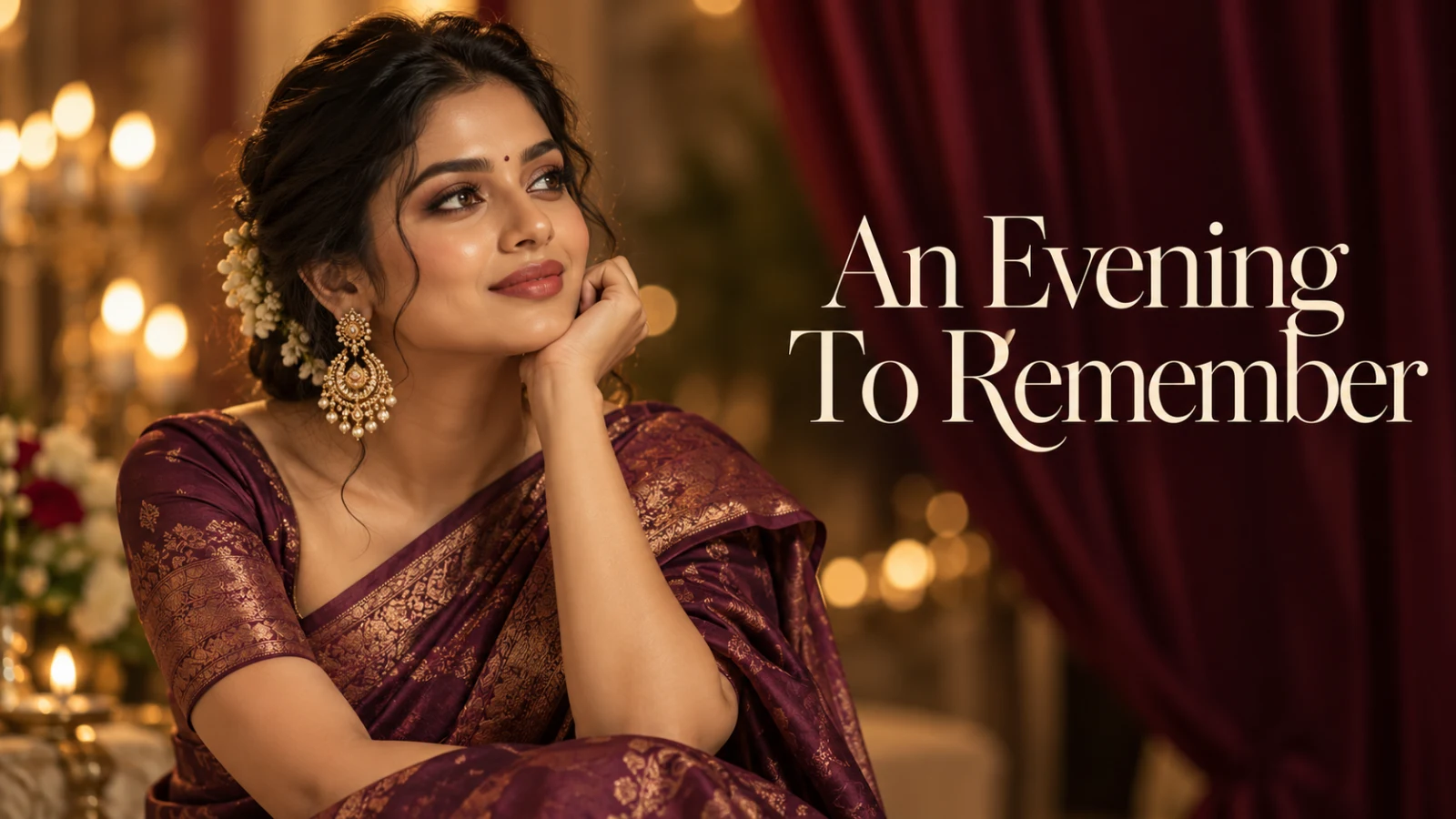
A reception offers room for a different mood from the ceremony, but the change should suit the actual time and preparation available. For celebrations in Kannur and North Kerala, think about the outfit, lighting and sequence of the day together. A meaningful change can come from one well-chosen feature rather than a complete reinvention.
Choose what should change first
Start with the reception outfit and identify its strongest feature. A different neckline may suggest another hair shape, while a bolder fabric could invite a quieter makeup palette. Decide whether the main change will be in the eyes, lips, hairstyle or accessories. If every feature changes at once, the preparation may take more time than expected and the final direction can become harder to judge. A clear priority gives the second look a reason to exist and makes the changeover easier to discuss.
Be honest about the transition window
List the time needed to leave the ceremony, travel, change clothing and prepare for reception photographs. The entire interval is not necessarily available for beauty work. If the first look includes a detailed hairstyle or an elaborate accessory arrangement, discuss how it affects the next stage. Keep the second outfit and accessories packed separately and ready to use. A realistic transition is preferable to planning an extensive new look around a gap that disappears once ordinary dressing and travel tasks are included.
Add evening definition intentionally
An evening look can have more contrast without simply becoming darker everywhere. You might choose a stronger lip, a clearer eye outline or a different balance of reflective detail. Consider how the venue lighting and the outfit interact with those choices. Ask for the face to be assessed as a whole rather than judging each feature separately in close-up. If the look feels more intense than you expected, discuss the particular area that changes your impression. A precise adjustment can preserve the reception mood while restoring your comfort with it.
Plan the position of flowers and hair jewellery
Hair accessories need a place within the design rather than being added wherever space remains. Share their size, weight and fastening style when discussing the hairstyle. If flowers are involved, show the intended arrangement or describe the amount you prefer. A narrow line of flowers creates a different outline from a fuller cluster. Think about how the accessory sits beside earrings, a veil or the edge of an outfit. Keep the pieces together with any supplied attachments so the artist can see the complete set. A well-planned arrangement should look intentional from several angles and feel manageable when you turn, sit or greet guests.
Say when a hairstyle feels too tight
Speak up if a pin presses, an accessory pulls or a finished section feels uncomfortable. Waiting until you leave the preparation space can make a small adjustment much harder to arrange. Comfort is useful feedback, not an interruption. Move your head gently and consider the activities ahead rather than assessing the style only while sitting still. A secure arrangement should not rely on ignoring discomfort. Tell your artist about areas you usually find sensitive and any previous experience that you want to avoid repeating. The final check can then include both the appearance and the way the hairstyle feels, with time to change a specific point before the event begins.
Think about the neckline and the back of the outfit
The back of an outfit is easy to forget while collecting beauty references, yet it can be an important part of the finished image. An open back, decorative fastening or carefully worked blouse may deserve to remain visible. Hair worn down creates a different frame from hair lifted away from the fabric. Neither choice is automatically better; the decision depends on what you want people to notice. Share a full front and back view of the outfit, then discuss how the hairstyle could support those details. The same approach helps with high collars and scarves, where the amount of hair around the neck affects the overall proportions and comfort.
Decide how much movement you want
Some people enjoy hair that moves naturally around their shoulders; others prefer a more contained shape they can largely forget about. Describe where you sit on that spectrum. Soft strands around the face may look appealing in a photograph but feel distracting if you usually keep your hair away from your eyes. A highly structured shape can feel reassuring to one person and unfamiliar to another. Consider how you normally wear your hair at a long function and which details you tend to adjust repeatedly. These habits can guide a style that still feels special while respecting the way you prefer to sit, talk and move through a gathering.
Confirm the preparation instructions for your hair
Ask your artist how they would like you to prepare your hair for the chosen service. The answer can depend on your texture, the products you normally use and the style being planned, so a universal rule copied from a social post may not be useful. Mention any recent colour, treatment or change in length. If you plan to wash your hair before the event, agree on the timing and the condition it should be in when styling begins. Clear instructions help prevent a mismatch between expectation and reality. They also give you an opportunity to explain anything about your routine that might affect the preparation plan or the finished shape.
Prepare for the journey after styling
Think about how you will travel once your hair is finished. A high arrangement, a delicate accessory or a large flower placement may need a little extra care when entering a vehicle or leaning against a seat. Ask for practical guidance before leaving rather than discovering the issue during the journey. Keep a suitable spare pin or the agreed accessory with someone nearby if your artist recommends it. Avoid repeatedly handling the finished style out of habit. Plan where scarves, dupattas or other pieces will sit so they do not catch unexpectedly. The aim is to make the transition from preparation to the celebration feel straightforward and comfortable.
Choose a practical plan for changing hairstyles
If you want different hair for two events, share both looks together during planning. Explain the time between them, whether the outfit changes and who will be available to help. A second style is not always a matter of removing one accessory; pins, texture and the underlying construction can affect the next step. Ask which elements can stay and which need a separate preparation window. Keep the accessories for each look clearly separated. A realistic transition may involve a small change in parting, shape or placement rather than rebuilding everything. Knowing the actual sequence helps you choose a change that feels worthwhile without making the whole day depend on an optimistic estimate.
Let the accessories guide colour relationships
Consider whether your jewellery appears warm, cool, colourful or largely neutral beside the outfit. This can offer a starting point for a makeup palette without dictating an exact colour match. A warm metallic detail may connect with a subtle eye accent, while a strongly coloured accessory may work best when the rest of the face stays more restrained. Compare the pieces together instead of making decisions from separate screenshots. You do not need to repeat the same colour on the eyes, lips, nails and fabric. A small connection between two elements can be enough to make the overall look feel intentional while allowing different textures and details to remain visible.
Plan your look with Eloria
Eloria focuses on bridal makeup, hairstyling and occasion beauty in North Kerala, especially Kannur. Share your celebration date, exact location, ready time, outfit details and the services you are considering. These details help the team discuss a suitable look and a realistic preparation schedule. Availability and the final scope should be confirmed directly before treating your date as booked.
Frequently asked questions
Do I need completely new makeup for a reception?
Not necessarily. The best approach depends on the first look, the desired change and the available preparation time.
Can one lip colour change the mood of my look?
Yes, a considered lip change can be noticeable, especially when the hairstyle or outfit also changes.
How much time should I allow between looks?
Share the full schedule with your artist. Travel, dressing and photographs must be included before estimating the beauty window.
Should the reception look be darker?
Evening definition can come from placement and contrast rather than making every feature darker.
What should I pack separately for the reception?
Keep the second outfit, jewellery, hair accessories and agreed touch-up items together and clearly labelled.